
Infertility: The Silent Epidemic of the 21st Century
Infertility is not a personal tragedy, but a global challenge. One in six couples worldwide today faces the inability to conceive naturally. It’s no longer a medical rarity, but a socio-demographic reality.
Why is the problem getting worse?
- Delayed parenthood means career, education, and self-discovery. After age 30, fertility declines inexorably: by 30-40% for women and by 25% for men.
- The digital environment is one of constant stress, sedentary lifestyle, electromagnetic radiation, and being online 24/7.
- Unhealthy ecology – endocrine disruptors in food, water and air “break” hormonal systems.
- New pathologies —obesity, metabolic syndrome, autoimmune diseases—affect reproduction.
- Sexual health – consequences of STIs, chronic inflammation.
Paradoxes of the era
- Technology gives life, but takes away the ability to create it – the stress of the digital era reduces fertility.
- We know more about conception, but we are less capable of it – the growth of information does not equal the growth of health.
- Medicine works miracles (IVF), but does not solve the causes – we treat the consequences, not the roots of the problem.
What is changing?
Revolution in consciousness:
- Infertility is no longer a “female diagnosis”—50% of the causes are in men.
- Surrogacy, donation, cryopreservation – new ethical landscapes
- The right to parenthood vs. the child’s right to healthy parents
Science does not stand still:
- Genetic screening of embryos
- Cell reprogramming
- An artificial womb on the horizon
- .. simple health is becoming a luxury
Male Infertility: When the Problem Is in the "M" Factor
When a couple struggles to conceive for a long time, in 40-50% of cases the cause lies in the man’s health. “Male factor” is not a death sentence, but a diagnosis that modern medicine has learned to successfully correct.
What is male factor infertility?
This is a complex of disorders in the male reproductive system that leads to the inability to fertilize. The main criterion is changes in the spermogram (ejaculate analysis), but the problem often goes deeper.
Warning signs: what to look for in a spermogram
- Oligospermia is a decrease in sperm concentration (less than 15 million/ml).
- Asthenozoospermia is insufficient motility (less than 32% progressively motile).
- Teratozoospermia – a high percentage of abnormal forms (less than 4% of normal).
- Cryptozoospermia is the presence of single sperm in the ejaculate.
- Azoospermia is the complete absence of sperm (but not semen!).
Unobvious reasons: what’s behind poor test results?
- Hormonal imbalances
- Testosterone deficiency is the driver of spermatogenesis.
- Elevated prolactin suppresses testosterone production.
- Thyroid problems affect the entire metabolism
- Genetic factors
- Y-chromosome microdeletions are the loss of genes responsible for spermatogenesis.
- Mutations in the CFTR gene can cause the absence of the vas deferens.
- Klinefelter syndrome – an extra X chromosome
- Anatomical abnormalities
- Varicocele is a varicose vein in the testicle (found in 40% of infertile men)
- Obstruction of the vas deferens – after infections or operations
- Cryptorchidism is the undescended testicle in childhood.
- Lifestyle is a silent killer of fertility
- Thermal stress : constant overheating (sauna, heated seats, laptop on your lap)
- Nicotine and alcohol : reduce the quality and quantity of sperm by 30-50%
- Obesity : Fat tissue converts testosterone into estrogen
- Stress : Cortisol blocks the production of sex hormones
- Sleep deprivation : hormones are produced at night
- Medical reasons
- History of sexually transmitted infections (especially chlamydia and gonorrhea)
- Epidemic parotitis (mumps) with complications in the testicles
- History of chemotherapy and radiation therapy
- Taking certain medications (anabolics, antidepressants, antihypertensives)
Minimum diagnostic tests for men
- Kruger spermogram (with MAR test) is the gold standard
- Ultrasound of the scrotum with Doppler – assessment of blood flow, detection of varicocele
- Prostate ultrasound – condition of the prostate and seminal vesicles
- Hormonal profile : FSH, LH, testosterone, prolactin, TSH
- Andrologist/urologist consultation – interpretation of test results and action plan
Modern treatment methods: from simple to complex
Conservative therapy
- Correction of hormonal levels (if any abnormalities are identified)
- Antioxidant complexes (L-carnitine, coenzyme Q10, vitamin E, zinc, selenium)
- Preparations for improving microcirculation
- Physiotherapy (laser, magnetic therapy)
Surgical treatment
- Microsurgical surgery for varicocele improves outcomes in 60-70%
- Restoring patency of the airways (in obstructive azoospermia)
Assisted reproductive technologies (ART)
- IVF is a standard procedure for moderate disorders
- ICSI ( intracytoplasmic sperm injection) – even with single cells
- TESE/ microTESE – obtaining sperm directly from the testicle in case of azoospermia
- Sperm cryopreservation – before fertility-threatening treatment
Practical recommendations: what to do today
- Avoid overheating the testicles (tight underwear, hot baths)
- Normalize your weight – every 10 kg of excess weight reduces testosterone by 20%
- Balance your diet : protein + healthy fats (omega-3) + antioxidants
- Get moving – 150 minutes of moderate activity per week
- Sleep 7-8 hours in complete darkness
- Quit smoking – your sperm count will improve within 3 months
- Drink less alcohol – a maximum of 2-3 units per week
- Manage stress through meditation, hobbies, and walks.
Important for every man to know
- Spermatogenesis lasts 72-74 days – lifestyle changes will give results in 3 months
- Age matters – after 40, sperm quality begins to decline
- Infertility is not impotence – these are different problems.
- Men’s health is an indicator of overall health – fertility problems can be the first sign of systemic disorders
Female Infertility: A Comprehensive Approach and Solutions
When pregnancy fails to occur, in 40-50% of cases the cause lies in the woman’s health. Female infertility is not a disease, but a complex set of symptoms that requires a systematic approach and an individualized strategy.
Types and structure of female infertility
- Primary – never had any pregnancies
- Secondary – there was at least one pregnancy (regardless of the outcome)
- Absolute – natural conception is impossible (absence of the uterus, ovaries)
- Relative – chances are there, but reduced
Main causes: from hormones to psychology
1. Tubular- peritoneal factor (25-40% of cases)
- Obstruction of the fallopian tubes – adhesions after inflammation, surgery, endometriosis
- Dysfunction of the fimbriae – they cannot “catch” the egg
- Hydrosalpinx is a collection of fluid in the fallopian tube that is toxic to the embryo.
Diagnostics : HSG (hysterosalpingography), laparoscopy with chromohydrotubation .
2. Endocrine factor (30-40%)
- Polycystic ovary syndrome (PCOS) is a condition in which there is no ovulation despite the presence of multiple follicles.
- Hypothalamic-pituitary dysfunction – stress, sudden weight loss, excessive stress
- Hyperprolactinemia – elevated prolactin blocks ovulation
- Thyroid pathology ( hypo- /hyperthyroidism)
- Decreased ovarian reserve – premature ovarian failure
- Luteal insufficiency is a deficiency of progesterone in the second phase of the cycle.
Diagnostics : hormonal profile (D3-5 cycle: FSH, LH, estradiol, prolactin, TSH, AMH; D21-23: progesterone), ultrasound monitoring of folliculogenesis .
3. Uterine factor (15-20%)
- Uterine myoma (especially submucous , deforming the cavity)
- Intrauterine adhesions ( Asherman’s syndrome )
- Developmental defects (bicornuate uterus, septum)
- Chronic endometritis is an inflammation of the mucous layer
- Endometrial polyps
Diagnostics : ultrasound, hysteroscopy , endometrial pipelle biopsy.
4. Endometriosis (15-30%)
- External genital – ovaries, peritoneum
- Adenomyosis is endometriotic lesions in the muscular layer of the uterus.
Endometriosis causes chronic inflammation, impairs the quality of eggs, and disrupts implantation.
5. Immunological factor (5-10%)
- Antisperm antibodies in cervical mucus
- Antiphospholipid antibody syndrome (APS) is a thrombophilia that interferes with implantation.
- Increased NK cells (natural killer cells) in the endometrium
Diagnostics : postcoital test, MAR test, APS analysis, immunogram .
6. Ovarian reserve and age
Critical reduction in the quantity and quality of oocytes:
- Up to 35 years old – 25% of problems with conception
- 35-40 years old – 30-35%
- After 40 years – more than 50%
Reserve markers : AMH ( anti-Müllerian hormone), FSH, inhibin B, antral follicle count on ultrasound.
7. Psychogenic and unexplained factors (10-15%)
Chronic stress, anxiety, and depression disrupt hormonal balance. A diagnosis of “unexplained infertility” is made after all apparent causes have been ruled out.
Algorithm for examining a woman
Stage 1 (basic):
- Collection of anamnesis (cycle, past illnesses, operations, heredity)
- Gynecological examination
- Ultrasound of the pelvic organs (D5-7 and D21-23 of the cycle)
- Hormonal screening
- Infectious screening (TORCH, STIs)
- Ovarian reserve assessment (AMH, antral follicle count)
Stage 2 (advanced):
- HSG or sonohysterography
- Hysteroscopy (for pathology of the uterine cavity)
- Laparoscopy (if endometriosis or adhesions are suspected)
- Consultation with an endocrinologist, geneticist, or immunologist as indicated
- Genetic testing (karyotype, thrombophilia )
Modern methods of treatment
Conservative therapy
- Ovulation stimulation ( clomiphene , letrozole , gonadotropins) in case of anovulation
- Metformin for insulin resistance (PCOS)
- Hormonal preparation of the endometrium (estrogens, progesterone)
- Anti-inflammatory therapy for chronic endometritis
- Immunotherapy (glucocorticoids, intravenous immunoglobulins)
Surgical treatment
- Laparoscopy :
- Dissection of adhesions
- Removal of endometriosis lesions
- Ovarian resection for PCOS
- Restoring tubal patency (with preserved function)
- Hysteroscopy :
- Removal of polyps, adhesions , submucous fibroids
- Dissection of the intrauterine septum
Assisted reproductive technologies (ART)
- Insemination (IUI) – with intact fallopian tubes and moderate male factor
- IVF is the standard for tubal factors, endometriosis, and the ineffectiveness of other methods.
- ICSI – for severe male factor
- Cryoprotocols – in cases of hyperstimulation syndrome , the need for preimplantation testing
- Donor programs (oocytes, embryos) – when the reserve is depleted
- Surrogacy – in the absence of a uterus or medical contraindications to carrying a child
Special protocols
- Long protocol – for endometriosis, high AMH
- Short protocol – with reduced reserve
- Protocol in a natural cycle – in case of contraindications to stimulation
Practical recommendations for increasing fertility
Lifestyle
- Body mass index (BMI) 18.5-24.9 – both underweight and overweight disrupt ovulation
- Balanced nutrition :
- Protein (plant and animal)
- Healthy fats (omega-3: fish, avocado, nuts)
- Slow carbohydrates
- Antioxidants (vitamins C, E, selenium, coenzyme Q10)
- Folic acid (400-800 mcg/ day )
- Moderate physical activity – 150 min/week, avoid overtraining
- Quitting smoking reduces ovarian reserve and worsens oocyte quality.
- Limit alcohol and caffeine (no more than 2 cups of coffee per day)
- Normalization of sleep – 7-8 hours, production of melatonin (an antioxidant for egg cells)
Mental health
- Stress reduction (yoga, meditation, breathing exercises)
- Partner support – going through the stages together
- Working with a psychologist specializing in reproductive issues
- Letting go of hypercontrol – the “treat-wait” cycle shouldn’t become the meaning of life
Important principles
- Age is a determining factor : after 35, time works against us
- A couple is a single system : examination and treatment should be done together.
- Stages : from simple methods to complex ones (spontaneous pregnancy → insemination → IVF)
- Individual approach : no two cases of infertility are alike
- Complexity : all possible factors must be considered
- Timeliness : Delaying contact with a specialist reduces the chances
When to start worrying?
- Up to 35 years : if pregnancy does not occur within 1 year of regular sexual intercourse without contraception
- After 35 years : after 6 months of trying
- Immediately : in case of irregular cycles, painful periods, previous surgeries on the pelvic organs, known diseases (endometriosis, fibroids)
Today, female infertility is not a death sentence. Modern reproductive medicine offers solutions for virtually any situation. The key is a systematic approach, trust in specialists, and faith in success. Your journey to motherhood begins with the first step—consulting a doctor.
Planning for fatherhood? Start with yourself! Why a father-to-be needs FertilAndro
Conceiving a child is always a two-person effort. While a woman prepares for pregnancy for months, a man often remains in the shadows, believing his role is limited to the moment of conception. This is a dangerous misconception.
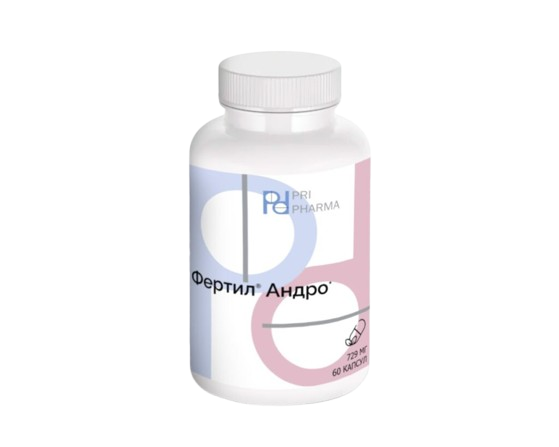
Sperm quality is the foundation of a future child’s health. And this foundation is laid three months before conception.
That’s how long the spermatogenesis cycle lasts—the complete renewal of the sperm “army.” Everything you ate, breathed, and lived during these 90 days directly impacts the quantity, motility, and, most importantly, the DNA integrity of your sperm cells.
Damaged sperm DNA not only poses a risk of unsuccessful conception or early miscarriage, but also poses potential long-term health risks for the baby.
Why is preparing a man a mandatory step?
- Sperm is an indicator of overall health. Poor sperm counts often signal underlying problems, such as hormonal imbalances, oxidative stress, and deficiencies of vital vitamins and minerals.
- Male factors are the leading cause. In 40-50% of cases of conception problems, men are to blame. Improving sperm quality significantly increases the chances of natural pregnancy.
- Heredity begins with the father. Healthy, undamaged sperm DNA is the best start for a new person, the key to strong immunity and proper development.
The modern pace of life, stress, less-than-ideal environment, and diet create a deficiency in precisely those nutrients critical for producing high-quality sperm. FertilAndro , a specialized complex for improving male fertility, is designed to address this deficiency.
FertilAndro : not just vitamins, but targeted support for spermatogenesis
FertilAndro is a scientifically developed composition of active ingredients, each of which performs a specific task in the complex process of sperm maturation.
Key components and their role:
- L-carnitine and L-arginine – “engine” and “builder”
- L-carnitine is the main energy source for sperm. It increases their motility (activity), viability, and quantity. It provides the fuel for the long and precise journey to the egg.
- L-arginine is an amino acid that produces nitric oxide. It improves blood microcirculation in the testicles, providing optimal conditions for spermatogenesis, and is involved in protein synthesis.
- Coenzyme Q10 (ubiquinone) and Vitamin E – a “shield” against oxidation
- Male germ cells are particularly vulnerable to oxidative stress —an attack by free radicals that damage sperm membranes and DNA.
- Coenzyme Q10 is a powerful antioxidant that protects cells from damage and improves their energy metabolism.
- Vitamin E , the “fertility vitamin,” protects sperm membrane lipids from peroxidation, increasing the chances of successful fertilization.
- Zinc and Selenium – the “minerals of fatherhood”
- Zinc is critical for testosterone synthesis, cell division, and sperm maturation. Zinc deficiency directly leads to decreased sperm count and motility.
- Selenium is a component of a key antioxidant enzyme ( glutathione peroxidase ) that protects sperm. It also plays a role in the formation of their structural component, the mitochondrial flagellum.
- Folic acid (Vitamin B9) – the “guardian of DNA”
- Essential for proper DNA synthesis and cell division. Adequate folate levels reduce the risk of chromosomal abnormalities in sperm, thereby preventing miscarriage and congenital abnormalities in the fetus.
- Vitamin D3 and Vitamin B12 are “hormonal regulators”
- Vitamin D3 has a hormone-like effect, increasing testosterone levels and positively influencing sperm quality.
- Vitamin B12 is involved in hematopoiesis and nucleic acid synthesis, affecting sperm count.
Benefits of taking FertilAndro when planning a pregnancy:
- Complex action: Works at all stages of spermatogenesis: from cell division to the maturation of full-fledged, motile sperm with intact DNA.
- Targeted composition: The dosages of the components are specially selected to address male fertility issues.
- Proven effectiveness: The active components of the complex (L-carnitine, zinc, selenium, coenzyme Q10) have a clinically proven positive effect on spermogram parameters .
- Safety and convenience: Taking a course for 3 months allows for complete renewal of sperm under the protection and support of active ingredients.
Your action plan for successful conception:
- Start taking FertilAndro 3-4 months before you plan to conceive . This allows enough time for your sperm to fully regenerate.
- Take a spermogram (preferably before starting the course and after the course to assess the dynamics).
- Adjust your lifestyle: give up alcohol and smoking, avoid overheating the groin area, add moderate physical activity, improve your sleep, and reduce stress levels.
- Work as a couple. Preparing for pregnancy is a shared project. While you’re improving sperm quality, your partner can prepare her body for pregnancy.
Give your future child the first and most important gift—lay the foundation for their health with your healthy cells. Start with FertilAndro today.